 Physics at Virginia
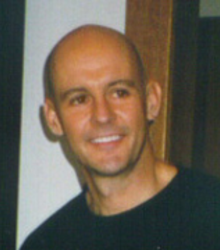
Mark Williams
Ph.D., 1990, Virginia
Professor of Radiology
Experimental Medical Physics
Research Interests
The general field of the research in our lab is the development of novel systems for medical imaging. Of particular interest are imaging systems utilizing x-rays (i.e. radiography, x-ray tomosynthesis, x-ray computed tomography (CT)) and/or nuclear medicine (i.e. scintigraphy, gamma ray emission tomosynthesis, single photon emission computed tomography (SPECT), and positron emission computed tomography (PET)). In recent years we have focused on the development of multimodal hybrid systems that integrate anatomic and functional image sets. Current application areas include breast cancer detection and characterization, intraoperative image guidance, and pre-clinical in vivo imaging. The following projects are ongoing.
1) Dual modality tomographic breast imaging: We have developed a hybrid scanner for integrated dual modality (structural/functional) breast imaging. The scanner obtains co-registered 3-dimensional digital x-ray tomography (limited angle CT) and gamma emission scintigraphy (limited angle SPECT) images. Human studies evaluating the efficacy of the scanner for non-invasive characterization of suspicious breast lesions are underway.
2) Intraoperative multimodal image guidance: Intra-operative techniques utilizing compact gamma cameras along with visible and near infrared fluorescence video cameras are being developed to provide real-time visualization of tumors and lymph nodes during surgery. The imaging system will be combined with multimodal imaging probes to guide surgeons to the target and permit visualization of its extent during excision.
3) Image-guided surgery of non-palpable breast lesions: We are using both pre-operative imaging and intra-operative imaging techniques. Multi-modality pre-operative imaging is used to place small markers labeled with a radioisotope at target locations (i.e. the center of the tumor) and to verify its location relative to the target. The radiomarkers are tracked intraoperatively using a hand-held gamma probe and/or a compact mobile gamma camera. The technique is being evaluated in human studies as an alternative to wire localization.
4) Molecular imaging for small animal research: We are developing scanners for non-invasive imaging of rodents in medical research. High resolution microCT (computed x-ray tomography) and microSPECT (single photon emission computed tomography) scanners have been developed. We are currently working with Stellar Micro Devices (Austin, TX) on the development of a new type of ultra-fast microCT scanner that employs arrays of rapidly addressable field emission x-ray sources.